
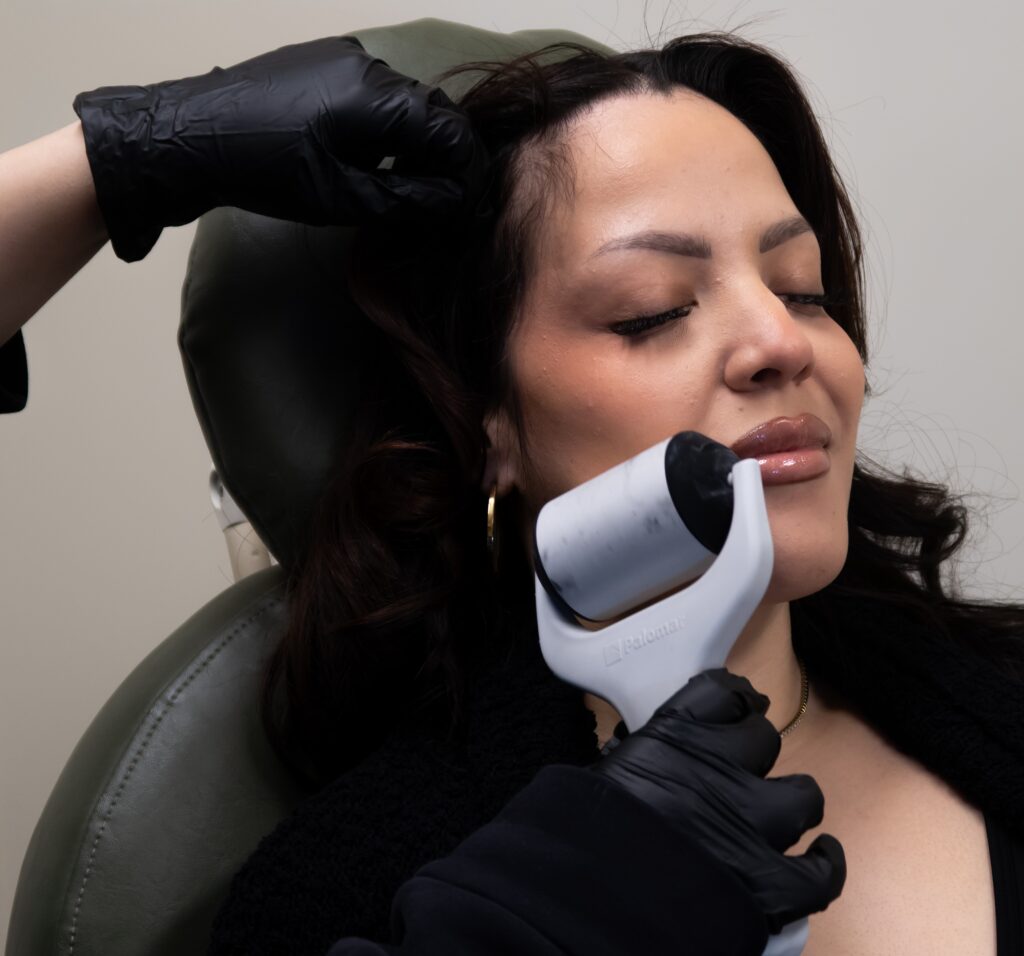
As the skin ages, changes in collagen production, cellular turnover, and structural support can contribute to concerns such as uneven texture, laxity, discoloration, and loss of firmness. Environmental exposure, inflammation, and natural aging processes can also affect how efficiently the skin repairs and regenerates itself over time. Understanding how modern skin rejuvenation treatments work can help patients explore options that target both surface-level concerns and deeper structural changes within the skin.
At Aesthetic Skin & Laser Center in Pittsburgh, PA, skin rejuvenation treatments are approached with a focus on controlled tissue response, collagen stimulation, and individualized treatment planning. Technologies such as Genius RF Microneedling, NeoGen Plasma, Attiva RF, and advanced chemical peels are used to support skin renewal through targeted regenerative processes. By combining different modalities strategically, treatment plans can address texture, tone, and skin firmness in a more comprehensive and physiologically driven way.
Skin rejuvenation treatments are designed to improve the overall quality and appearance of the skin by targeting concerns related to texture, tone, firmness, and structural support. These treatments work through controlled biological processes that stimulate cellular turnover, collagen remodeling, and tissue regeneration at varying depths within the skin.
At Aesthetic Skin & Laser Center, skin rejuvenation treatments are selected based on the patient’s skin condition, degree of aging, and long-term goals. By utilizing advanced non-surgical technologies and regenerative approaches, treatment plans are structured to support gradual, measurable improvements in overall skin quality.
Changes in skin texture, uneven pigmentation, and loss of firmness often develop as collagen production slows and cumulative environmental damage affects the skin’s structural integrity. Fine lines, enlarged pores, rough texture, discoloration, and mild laxity are among the most common concerns patients seek to improve through skin rejuvenation treatments.
These changes are influenced by both intrinsic aging processes and external factors such as ultraviolet exposure, inflammation, and repetitive tissue stress. As the skin’s regenerative capacity declines over time, targeted treatments can help support renewal and improve overall skin function.
Non-surgical skin rejuvenation treatments work by creating controlled stimulation within the skin to activate repair and regenerative responses. Depending on the technology used, this may involve thermal energy, micro-injury, exfoliation, or plasma-based tissue interaction designed to trigger collagen production and cellular turnover.
As the skin progresses through repair and remodeling phases, new collagen and elastin fibers help improve firmness, texture, and overall resilience. This gradual regenerative process allows results to develop progressively while maintaining the skin’s natural structure and appearance.
RF microneedling and other collagen stimulation treatments are designed to improve skin quality by triggering controlled regenerative responses within the deeper layers of the skin. By combining targeted energy delivery with the body’s natural healing processes, these treatments help address concerns related to texture irregularities, skin laxity, enlarged pores, and overall loss of firmness.
Because collagen and elastin are essential components of the skin’s structural framework, stimulating their production can support gradual, long-term improvement in skin resilience and appearance. This regenerative approach allows changes to develop progressively while maintaining natural skin movement and integrity.
Genius RF Microneedling combines traditional microneedling with radiofrequency energy to create controlled micro-injuries while delivering thermal stimulation beneath the skin’s surface. This dual-action process initiates tissue repair and collagen remodeling at multiple depths, allowing the treatment to address both superficial texture concerns and deeper structural changes.
As healing progresses, patients often notice smoother texture, refined pores, improved skin firmness, and more even skin quality over time. Because the treatment stimulates collagen production gradually, results continue evolving as the skin undergoes ongoing remodeling and regeneration.
Collagen plays a central role in maintaining skin strength, elasticity, and structural support. As collagen production declines with age, the skin becomes more prone to laxity, uneven texture, and visible signs of aging.
Collagen stimulation treatments help reactivate regenerative processes that support healthier skin architecture beneath the surface. Over time, increased collagen remodeling can improve skin density, resilience, and overall quality while helping maintain a firmer, smoother appearance through progressive tissue renewal.
Skin resurfacing treatments are designed to improve uneven texture, discoloration, and visible signs of photodamage by stimulating controlled renewal within the skin. By targeting damaged surface layers and encouraging cellular turnover, these treatments help support smoother texture, more even tone, and improved overall skin quality over time.
Different resurfacing technologies work through varying mechanisms, ranging from plasma-based tissue regeneration to controlled chemical exfoliation. Selecting the appropriate treatment depends on the patient’s skin condition, treatment goals, and the level of correction needed to address specific concerns.
NeoGen Plasma uses nitrogen plasma energy to create controlled thermal stimulation within the skin, supporting tissue regeneration and collagen remodeling at multiple depths. Unlike treatments that focus only on surface exfoliation, NeoGen Plasma influences both epidermal renewal and deeper dermal restructuring through a controlled healing response.
As the skin progresses through regeneration, patients often notice improvements in texture irregularities, skin laxity, and overall tone. Because collagen remodeling continues after the initial healing phase, results typically develop progressively as the skin rebuilds and strengthens its underlying structure.
Chemical peels improve skin tone and surface texture by accelerating exfoliation and increasing cellular turnover within the outermost layers of the skin. Depending on the formulation and depth of treatment, chemical peels can help address concerns such as dullness, uneven pigmentation, superficial acne scarring, and rough texture.
As damaged skin cells are shed, new epidermal cells replace the treated surface, helping the skin appear brighter and more refined. This controlled renewal process supports smoother texture and improved clarity while complementing other skin rejuvenation treatments focused on deeper collagen stimulation.
Non-surgical skin tightening treatments are designed to improve skin firmness and structural support without the need for incisions or extended downtime. By using controlled energy delivery to stimulate collagen remodeling beneath the skin, these treatments help address early to moderate skin laxity while maintaining the skin’s natural integrity and movement.
At Aesthetic Skin & Laser Center, skin tightening treatments are incorporated into personalized rejuvenation plans based on the patient’s anatomy, degree of laxity, and long-term goals. This individualized approach allows providers to target underlying structural changes while supporting gradual, physiologically driven improvement in skin firmness over time.
Attiva RF uses radiofrequency energy to deliver controlled thermal stimulation beneath the skin’s surface, supporting collagen contraction and long-term remodeling within deeper tissue layers. This thermal response activates regenerative processes that help strengthen the skin’s structural framework over time.
As collagen remodeling progresses, patients often notice improved skin firmness, tighter contours, and enhanced tissue support in treated areas. Because the treatment stimulates gradual regeneration rather than immediate mechanical tightening, results tend to appear more natural and progressive.
Mild skin laxity commonly develops as collagen and elastin production decline with age, reducing the skin’s ability to maintain firmness and elasticity. Non-invasive technologies are designed to target these early structural changes before more advanced laxity develops.
By stimulating controlled tissue remodeling without surgery, these treatments help support gradual lifting and improved skin resilience while minimizing downtime. This regenerative approach allows patients to address laxity in a more conservative way while maintaining natural facial and skin movement.
Many skin concerns develop from multiple underlying factors, including collagen loss, uneven cellular turnover, inflammation, vascular changes, and structural weakening within the skin. Because of this, combining different rejuvenation treatments can often produce more comprehensive results than relying on a single modality alone. Strategic treatment pairing allows providers to target multiple layers and mechanisms within the skin while supporting more balanced overall improvement.
By integrating technologies that address both surface-level concerns and deeper regenerative processes, treatment plans can be customized to improve texture, tone, firmness, and overall skin quality in a more coordinated way. This multi-modality approach also allows treatments to complement one another physiologically, helping support more efficient tissue repair and collagen remodeling.
PRP and exosome therapy are commonly incorporated into skin rejuvenation plans to help support tissue repair and regenerative signaling after procedures such as RF microneedling or resurfacing treatments. PRP utilizes concentrated growth factors derived from the patient’s own blood, while exosome therapy provides signaling molecules that may help support cellular communication and tissue recovery.
When combined with collagen stimulation treatments, these regenerative therapies may help enhance healing responses, improve overall skin quality, and support more efficient regeneration within treated areas. This combination approach is often used to optimize recovery while promoting longer-term improvements in skin texture and resilience.
At Aesthetic Skin & Laser Center, treatment planning is based on a detailed assessment of the patient’s skin condition, structural concerns, and long-term goals rather than a standardized protocol. Because every patient presents with different patterns of aging, tissue response, and skin quality, individualized planning is essential for selecting the most appropriate combination of treatments.
A personalized approach also allows providers to adjust treatment intensity, sequencing, and recovery considerations based on how the skin responds over time. This structured strategy helps support more predictable outcomes while maintaining balance between efficacy, safety, and long-term skin health.
Advanced skin rejuvenation treatments are designed to address more than surface-level cosmetic concerns by supporting structural repair, collagen remodeling, and long-term skin renewal. Whether the goal is improving texture irregularities, uneven pigmentation, mild laxity, or overall skin quality, selecting the appropriate treatment strategy is an important part of achieving balanced, physiologically supported results.
Because skin aging and tissue response vary significantly between individuals, a comprehensive evaluation is essential to determine which technologies and regenerative approaches are most appropriate. This allows treatment plans to be customized to support both immediate improvement and long-term skin health.
At Aesthetic Skin & Laser Center, skin rejuvenation treatments are performed with a focus on precision, controlled tissue response, and individualized planning. Technologies such as Genius RF Microneedling, NeoGen Plasma, Attiva RF, chemical peels, PRP, and exosome therapy are incorporated strategically based on the patient’s skin condition and regenerative goals.
The practice emphasizes a medically driven approach to skin rejuvenation that prioritizes both safety and long-term structural improvement. By combining advanced technology with personalized treatment protocols, providers help patients pursue more refined improvements in tone, texture, firmness, and overall skin quality.
If you are considering skin rejuvenation treatments, scheduling a consultation is the next step toward understanding which approaches may best support your skin goals. During your visit, your provider will assess your skin condition, discuss treatment options, and develop a personalized plan tailored to your specific concerns and recovery preferences.To get started, visit Aesthetic Skin & Laser Center at 4312 Penn Ave, Pittsburgh, PA 15224, call (412) 683-3358, or request an appointment through the online contact page. This individualized approach allows you to explore advanced treatments designed to support healthier, smoother, and more structurally resilient skin over time.