
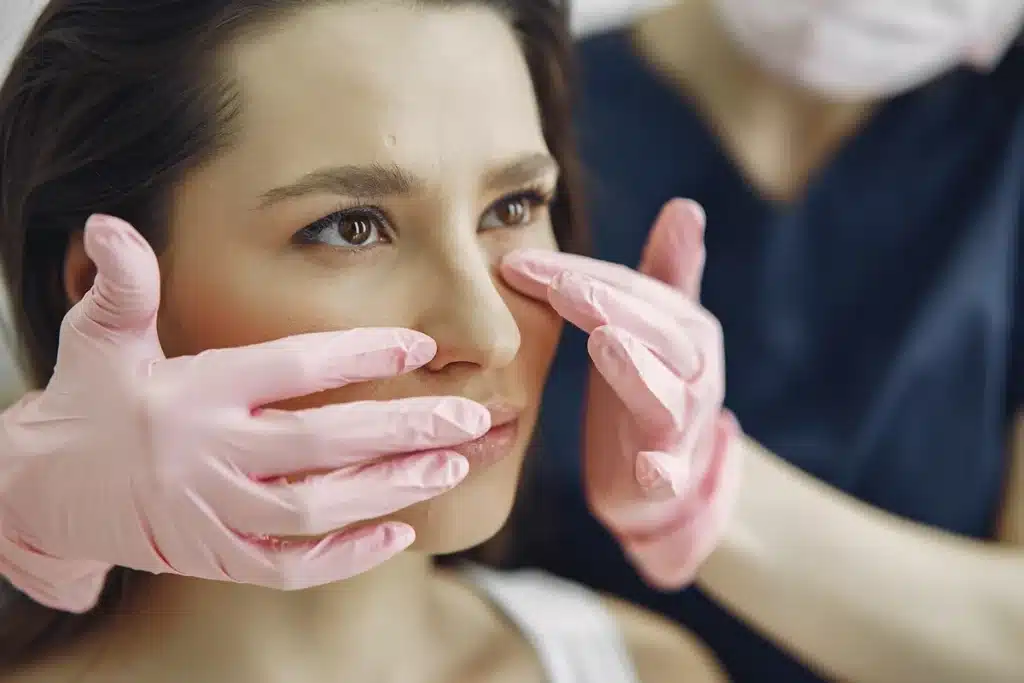
Tired, puffy, or hollow-looking under-eyes can be incredibly frustrating, especially when you’ve tried every cream, concealer, or home remedy with little to no improvement. The delicate skin under the eyes is often the first to show signs of aging, such as dark circles, fine lines, and volume loss, and it’s also one of the most challenging areas to treat effectively. While traditional fillers can sometimes look unnatural or cause puffiness, regenerative treatments like PRP (Platelet-Rich Plasma) and PRF (Platelet-Rich Fibrin) offer a more natural and long-lasting solution. These cutting-edge therapies utilize your body’s own healing components to restore collagen, enhance texture, and revitalize tired eyes. In this blog, we’ll walk you through the key differences between PRP vs PRF, especially when it comes to under-eye treatments, and help you understand which option may be right for you. Along the way, we’ll also highlight why Aesthetic Skin & Laser Center in Pittsburgh, PA, under the expert care of Dr. Roxana Barad, is a trusted destination for safe, effective, and beautifully natural under-eye rejuvenation.
PRP (Platelet-Rich Plasma) and PRF (Platelet-Rich Fibrin) are two regenerative therapies that are gaining significant popularity in aesthetic medicine. Both utilize components from your own blood to stimulate tissue repair, collagen production, and skin rejuvenation, particularly in sensitive areas such as the under-eye region. While they may seem similar at first glance, there are critical differences in their composition, processing methods, and overall results.
Platelet-Rich Plasma, or PRP, is one of the most talked-about treatments in aesthetic medicine, and it all starts with your blood. A small sample is drawn and spun in a special machine to separate the platelets, which are packed with powerful growth factors. These growth factors are what your body naturally uses to heal wounds and regenerate tissue. When PRP is injected into areas like the under-eye region, it helps boost collagen, improve skin texture, and restore a more youthful appearance. It’s a natural option that many people love because it refreshes the skin without adding anything synthetic or overly aggressive.
Platelet-Rich Fibrin, or PRF, is like the more advanced cousin of PRP. It also comes from your blood, but it’s processed in a gentler way to preserve even more healing elements, including white blood cells and stem cells. PRF forms a soft, natural matrix that retains growth factors longer, allowing the skin to continue benefiting over time. The texture is thicker than PRP, which helps add subtle volume while supporting deeper skin repair. People often choose PRF for delicate areas, such as under the eyes, because it provides a natural, gradual improvement that looks refreshed, not overdone.
Creating PRP is a quick and straightforward process that begins with a simple blood draw, similar to a routine lab test. The blood sample is then placed in a centrifuge, a machine that spins it at high speeds to separate the plasma from other components, such as red and white blood cells. The resulting plasma is rich in platelets, which are loaded with growth factors that promote healing and regeneration. Once the platelet-rich portion is isolated, it’s carefully injected into targeted areas of the skin to stimulate collagen production and improve overall skin quality. The entire process is done in-office and typically takes less than an hour from start to finish.
PRP has become a favorite in the world of aesthetics because it offers natural, noticeable results without the need for surgery or synthetic fillers. One of the most significant benefits of PRP is that it harnesses your body’s natural healing powers to rejuvenate the skin. Some of the key benefits include:
Many patients also love that PRP continues to work over time, with results gradually improving as collagen builds beneath the surface.
PRP is incredibly versatile and is used to treat a wide range of cosmetic concerns. It’s especially popular for under-eye rejuvenation, where it helps reduce dark circles, puffiness, and fine lines without the risks that come with fillers. It’s also commonly used in combination with microneedling to enhance skin texture and tone, often referred to as a “vampire facial.” PRP can improve the appearance of acne scars, stimulate hair growth on the scalp, and refresh areas of the face that have lost volume or elasticity. Its natural, subtle results make it a top choice for patients who want to look more rested and radiant without appearing as though they’ve had work done.
PRF, or Platelet-Rich Fibrin, is created using a process similar to PRP, but with a few crucial differences that make it more effective for specific aesthetic treatments. It starts with a simple blood draw, just like PRP. However, the blood is spun at a much slower speed in the centrifuge and without any anticoagulants. This gentler process preserves more of the platelets, white blood cells, and stem cells while allowing a natural fibrin matrix to form. The result is a thicker, gel-like substance that holds onto growth factors longer, releasing them slowly into the skin for a more sustained rejuvenating effect. This method makes PRF especially effective for areas like the under eyes, where gradual, long-term improvement is ideal.
One of the biggest reasons people are excited about PRF is its ability to deliver powerful results using only the body’s natural healing components. PRF releases growth factors slowly over time, which helps stimulate collagen production, improve skin texture, and restore volume more effectively than PRP in many cases. Because PRF also contains white blood cells and stem cells, it supports more profound healing and regeneration. Some of the key benefits include:
Among the standout benefits of PRF is that it offers a holistic, low-risk solution for anyone seeking youthful, healthy skin without the use of synthetic fillers or surgery.
PRF is becoming a go-to choice in aesthetic medicine for patients seeking subtle, natural-looking enhancements. It’s most commonly used under the eyes to address dark circles, puffiness, and volume loss, especially in cases where traditional fillers may not be the best option. PRF is also popular for treating fine lines around the mouth, improving skin texture when combined with microneedling, and promoting hair growth on the scalp. Because it provides a slow release of growth factors, PRF helps achieve smoother, firmer skin with a more radiant appearance over time. Its versatility, safety, and natural origin make it a standout treatment for those looking to refresh their appearance with minimal risk and downtime.
When it comes to treating the under-eye area, both PRP and PRF are injected using tiny, precise needles or cannulas to target areas with volume loss, fine lines, or dark circles. PRP has a thinner, more fluid consistency, which allows it to spread easily through the tissue, but it also means it may be absorbed more quickly. PRF, on the other hand, has a thicker, gel-like texture that stays in place longer and releases growth factors more slowly over time. This slower release allows PRF to provide more gradual and sustained rejuvenation. Due to its consistency, PRF often behaves like a soft filler, providing both collagen stimulation and a subtle lift in the tear trough area. Both treatments are done in-office, typically within 30 to 45 minutes, and require little to no downtime.
PRP and PRF can both produce noticeable improvements under the eyes, but PRF often delivers more dramatic and longer-lasting results. With PRP, patients may require a series of treatments spaced several weeks apart to achieve optimal results, and maintenance treatments are typically recommended every few months. PRF’s extended release of healing factors enables more prolonged collagen stimulation, often resulting in fewer sessions and more lasting effects. Many patients report smoother texture, diminished dark circles, and a more refreshed look after just one or two PRF sessions. While PRP remains effective, especially for younger individuals or those seeking subtle improvements, PRF tends to be the preferred choice for deeper hollows or more advanced signs of aging in the under-eye area.
When deciding between PRP vs PRF for under eyes, PRF often outperforms PRP in terms of longevity and regenerative power. PRF’s advanced formulation offers more comprehensive support for thinning under-eye skin, helping to correct both volume loss and discoloration naturally. However, PRP may still be an excellent option for younger patients or those looking for subtle improvements without structural support. Combining either treatment with advanced techniques, such as microneedling or laser therapy, can further enhance results, particularly when performed under the expert care of a physician with extensive experience.
When it comes to under-eye rejuvenation, choosing the right provider makes all the difference, and that’s precisely why so many patients turn to Aesthetic Skin & Laser Center in Pittsburgh, PA. The practice is led by Dr. Roxana Barad, a board-certified physician and oculoplastic surgeon with over 20 years of experience in aesthetic medicine. Dr. Barad is renowned for her skilled hands, artistic eye, and dedication to achieving results that appear natural and refined. She takes a holistic approach to every treatment, understanding that healthy, glowing skin reflects both internal wellness and personalized care. With a strong focus on safety, advanced technology, and patient satisfaction, Aesthetic Skin & Laser Center has earned a trusted reputation as one of Pittsburgh’s top destinations for PRP, PRF, and other non-surgical rejuvenation treatments.
If you’re still deciding between PRP vs PRF for under eyes, the best next step is a personalized consultation. Let Dr. Roxana Barad and her expert team at Aesthetic Skin & Laser Center help you explore the proper treatment for your goals and guide you toward a naturally refreshed, youthful look. Call (412) 683-3358 or visit us at 4312 Penn Ave Pittsburgh, PA 15224 to schedule your appointment. Rediscover your radiance with regenerative skincare designed just for you.