Botox® is considered the gold standard in non-surgical facial rejuvenation, and at Aesthetic Skin & Laser Center in Pittsburgh, PA, it is delivered with expert care by Dr. Roxana Barad. A board-certified physician and oculoplastic surgeon with over 20 years of experience, Dr. Barad has performed thousands of Botox® Cosmetic treatments and is widely known throughout the Pittsburgh area for creating natural-looking, refined results.
Recognized by Allergan, the manufacturer of Botox, as an accomplished injector, Dr. Barad has also served as a regional trainer, educating more than 100 physicians in safe and effective injection techniques. With her extensive knowledge of facial anatomy and a personalized, artistic approach, she customizes each treatment to soften wrinkles, enhance facial harmony, and maintain your authentic expression.
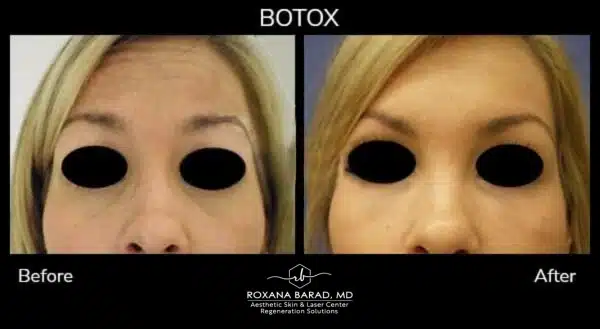
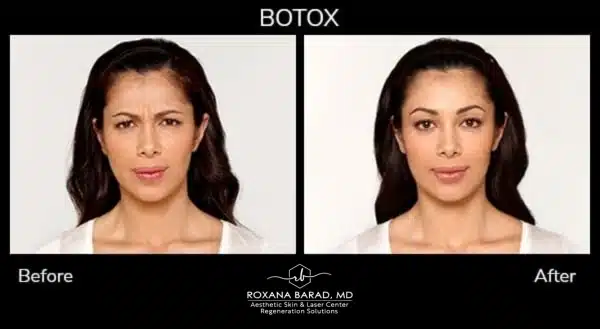
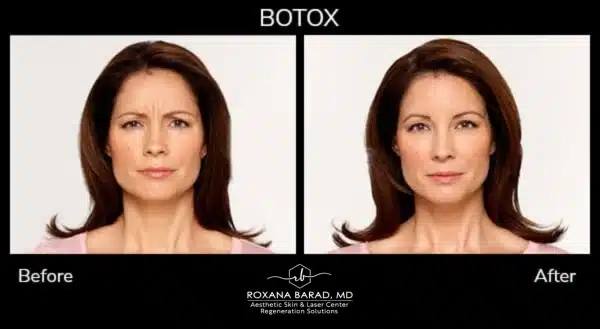
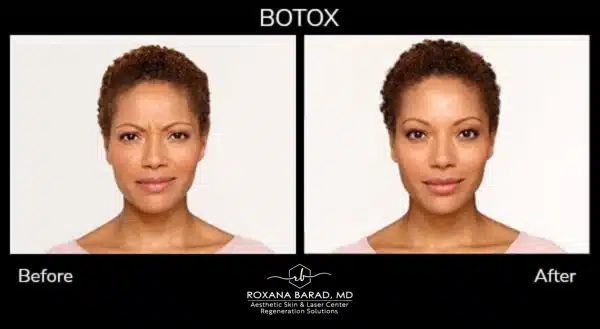
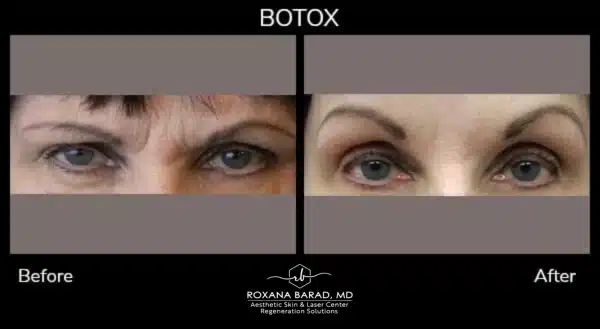
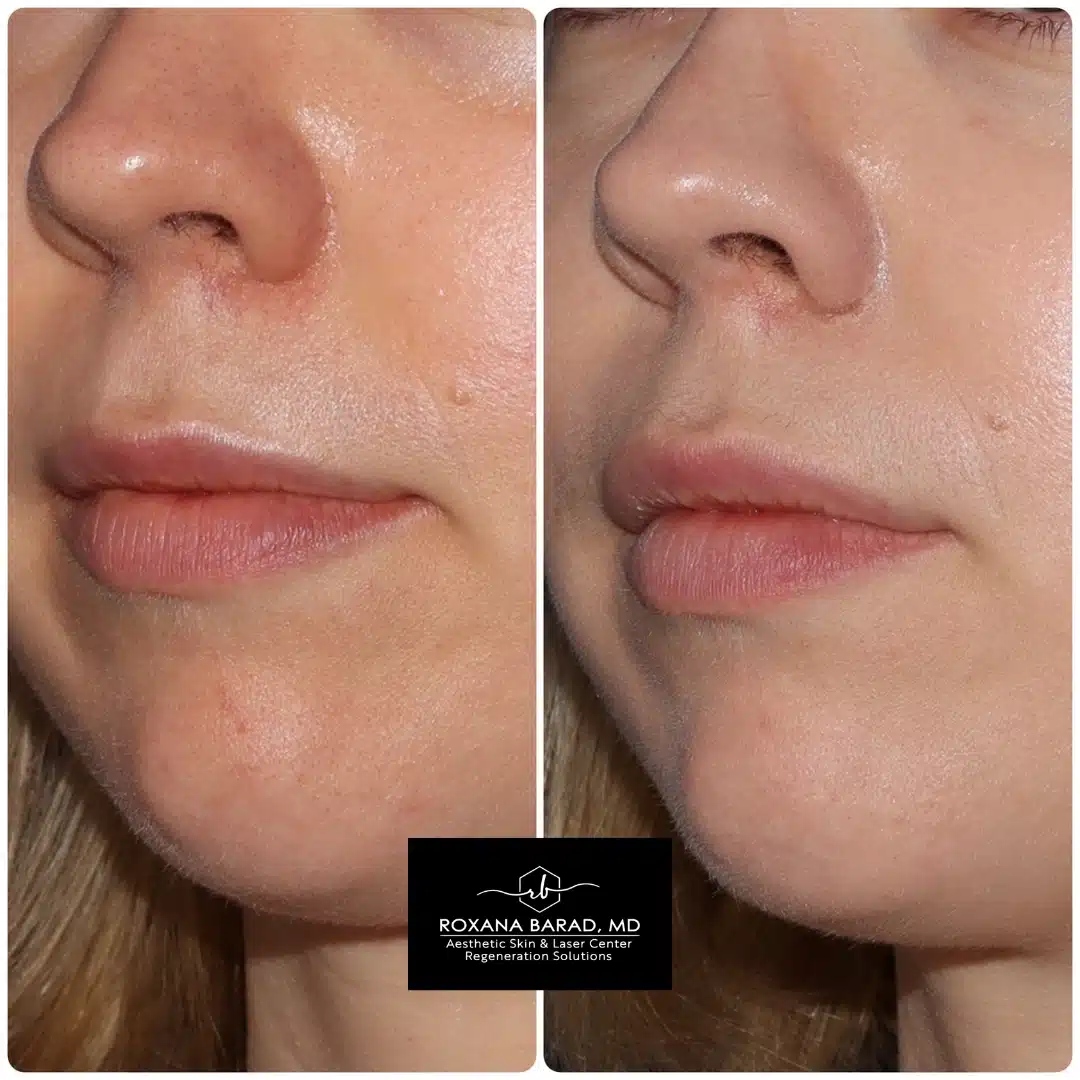
Botox® Cosmetic is an FDA-approved neuromodulator derived from botulinum toxin type A, a purified protein that temporarily blocks nerve signals to muscles. It is a simple, non-surgical, physician-administered treatment used to target some of the earliest visible signs of aging, such as wrinkles and fine lines in the forehead area and around the eyes. By injecting Botox into precise points in the facial muscles, it prevents the muscle contractions that lead to dynamic wrinkles, such as forehead lines, crow’s feet, and frown lines between the eyebrows. As the muscles relax, the skin above them smooths out, resulting in a more youthful and refreshed appearance. Botox in Pittsburgh, PA, is a quick treatment that requires no downtime, making it an ideal option for individuals looking to reduce wrinkles without surgery. Results typically last three to four months before a maintenance session may be needed to maintain optimal effects.

A Botox session typically lasts 15 to 30 minutes, making it an ideal option for busy individuals seeking a fast and effective treatment for fine lines and wrinkles.
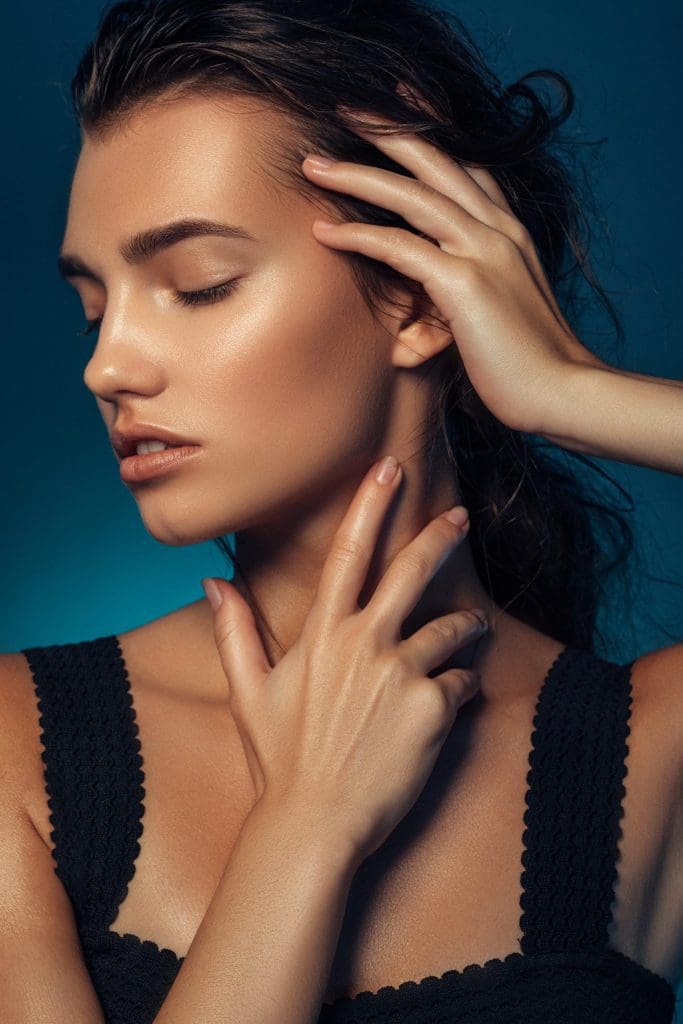
Botox works by temporarily blocking the release of acetylcholine, a neurotransmitter that signals muscles to contract. When a Botox injection is administered into targeted facial muscles, such as those in the forehead, around the eyes, or between the brows, it reduces muscle activity that leads to the formation of fine lines and wrinkles. By relaxing these overactive muscles, Botox helps soften existing expression lines and prevent new ones from forming. The treatment involves a series of small, precise injections and typically takes only 15 to 30 minutes to complete. Results from Botox in Pittsburgh, PA, begin to appear within a few days and can last up to four months. In addition to softening facial lines, Botox can also be used for masseter reduction to slim the jawline, relieve TMJ-related jaw tension, and reduce the frequency of migraines.
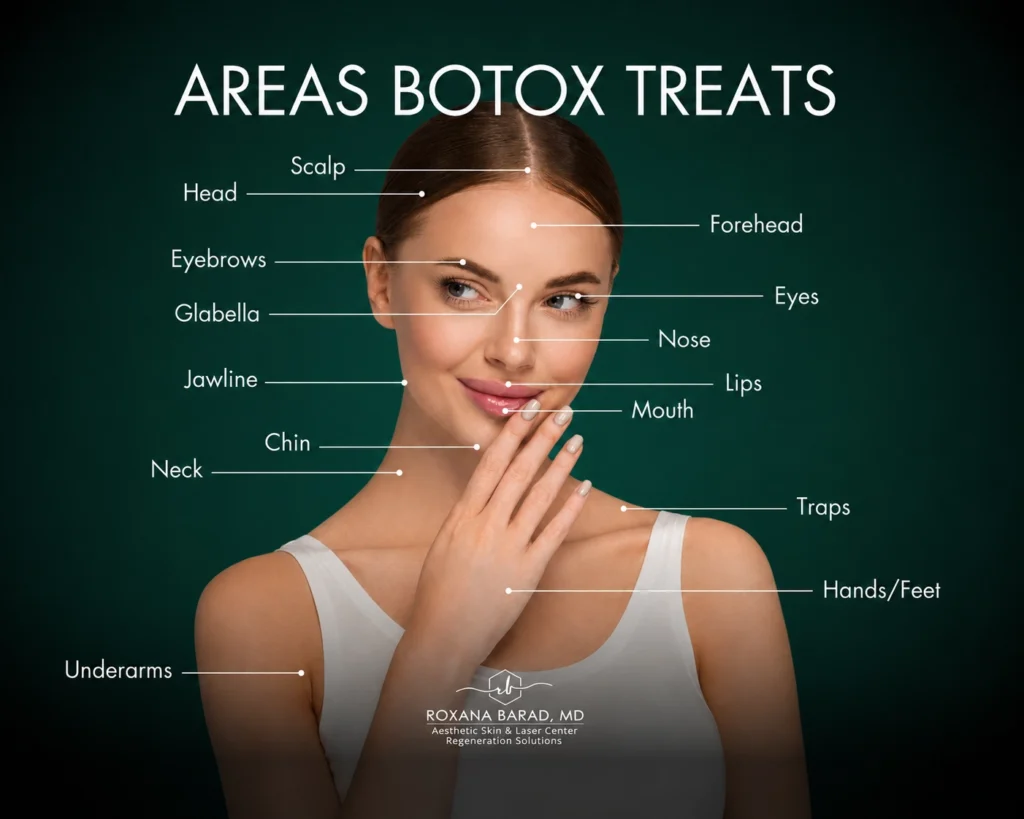
Softens horizontal forehead lines and prevents deeper creases from forming.
Targets crow’s feet to smooth fine lines around the outer eye corners.
Masseter Botox is ideal for slimming the face and managing jaw clenching, bruxism, and TMJ.
Relaxes trapezius muscles that tighten from hours spent looking down at phones and laptops, easing neck pain and cramping while subtly elongating the neckline.
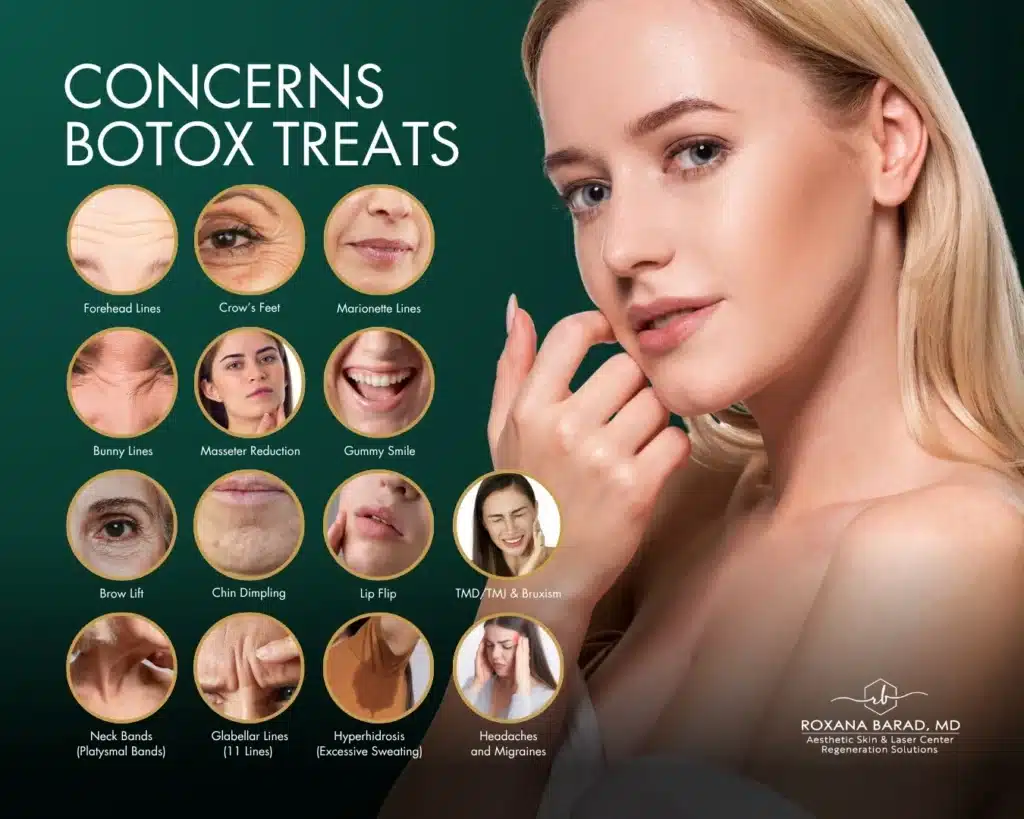
If you are a healthy adult seeking to soften dynamic facial lines, prevent wrinkles, or address medical concerns like jaw tension or migraines, you may be a great candidate for Botox in Pittsburgh, PA. This versatile treatment is often recommended for individuals dealing with TMJ symptoms, chronic headaches, or jaw clenching. Masseter Botox helps ease jaw tension, while Botox for migraines works to reduce the frequency and severity of headaches. It can also be effective for those dealing with excessive sweating or looking to enhance their upper lip with a subtle Botox lip flip. Whether your goals are cosmetic or therapeutic, Dr. Barad will perform a thorough consultation to determine if Botox injections are the right fit for your needs.
Your Botox treatment begins with a personalized consultation to assess your goals, whether you’re interested in smoothing wrinkles or addressing issues like TMJ or migraines. Dr. Roxana Barad will map out the best injection sites based on your facial anatomy and then administer the Botox injection using a fine needle. The process usually takes between 15 to 30 minutes, and while anesthesia isn’t required, a numbing option is available for added comfort. Most patients describe the experience as a brief pinch, with results beginning to appear in three to five days and full effects visible by 10 to 14 days. There is no downtime, so you can go about your day as usual after your Botox session, whether it’s for smoothing wrinkles, masseter reduction, lip enhancement, or TMJ relief.
Results from Botox in Pittsburgh, PA, typically last between three and four months, depending on the area treated and your body’s natural response. With regular sessions, muscles may gradually adapt to the effects of Botox injection, which can help extend the longevity of results over time. Patients receiving treatments such as masseter Botox, Botox for TMJ, or Botox for migraines may also experience sustained relief with routine visits. For cosmetic options like a Botox lip flip, maintaining a consistent schedule ensures smoother and longer-lasting enhancements. Dr. Barad recommends follow-up appointments every three to four months to help preserve your refreshed and balanced appearance.
All three products are botulinum toxin type A and all three work by the same mechanism, so the differences come down to how quickly they take effect, how long they last, and how they behave once injected. Which one suits you depends on the area being treated and how often you want to return.
Feature | Botox | Dysport | Daxxify |
|---|---|---|---|
Time to Initial Results | 3 to 5 days | 2 to 3 days | 1 to 2 days |
Full Results | 10 to 14 days | 10 to 14 days | 10 to 14 days |
Typical Duration | 3 to 4 months | 3 to 4 months | Around 6 months |
Formulation | Contains accessory proteins | Contains accessory proteins | Peptide-stabilized, no human serum albumin |
Diffusion | More concentrated at the injection point | Spreads slightly more broadly | Similar to Botox |
Best Use | Crow’s feet, frown lines, forehead lines, precise areas | Larger, flatter muscle areas such as the forehead | Patients wanting fewer maintenance visits |
We proudly offer expert Botox in Pittsburgh, PA, and welcome patients from nearby neighborhoods who trust us for personalized, high-quality care. Our clients come from across the region, including:
No anesthesia is required for Botox in Pittsburgh, PA, though a numbing cream can be applied for added comfort. Most patients describe the sensation as a mild pinch that lasts a second or two per injection point. The needle used is very fine, and the entire treatment takes fifteen to thirty minutes, so discomfort is brief even across multiple areas.
Botox is priced per unit, and the number of units depends on which areas you are treating and how strong the underlying muscles are. Forehead lines typically require fewer units than masseter treatment for jaw tension, so a per-treatment figure varies considerably between patients. You will receive a specific quote at consultation once your plan is mapped, and financing is available through Cherry on our patient financing page with 0% APR options for eligible patients.
Botox has been FDA-approved for cosmetic use since 2002 and used medically for considerably longer, which gives it one of the longest safety records in aesthetic medicine. The most common effects are temporary and localized, including mild bruising or tenderness at the injection sites. Safety depends heavily on injector knowledge of facial anatomy, which is why treatment here is performed by a board-certified physician rather than delegated.
Nothing changes on the day of treatment, which surprises some first-time patients. Initial softening appears at three to five days as the neuromodulator takes effect, and the full result settles by ten to fourteen days. Over the longer term, patients who treat consistently often find that the muscles weaken slightly with repeated treatment, which can mean fewer units or longer intervals between visits.
The common side effects are mild and short-lived, including small bruises, tenderness, or minor swelling at the injection points, and occasionally a temporary headache. Less common effects such as eyelid or brow droop are almost always the result of placement rather than the product, and they resolve on their own as the effect wears off. Contact us if you experience any difficulty swallowing, breathing, or noticeable muscle weakness beyond the treated area.
Results from Botox typically last three to four months depending on the area treated, the dose used, and how active the underlying muscles are. Areas involving stronger muscles, such as the masseter, often hold longer than the forehead. Most patients settle into a schedule of treatment every three to four months to maintain a consistent result.
All three are botulinum toxin type A and all three relax muscles the same way, so the practical differences are in timing and formulation. Dysport tends to take effect a day or two faster than Botox and diffuses slightly more broadly, which can suit larger flat areas like the forehead. Daxxify is peptide-stabilized rather than protein-stabilized and typically lasts around six months rather than three to four, which appeals to patients who want fewer maintenance visits. Units are not interchangeable between the products, so a higher unit count for one does not mean a stronger treatment. Which product suits you is decided at consultation based on the area, your goals, and how your muscles have responded previously.
Unit count depends entirely on which areas are being treated and how strong those muscles are, and it varies more between individuals than most people expect. Someone with a strong frown muscle may need substantially more than someone with the same concern but weaker muscle activity. Your provider determines the number during assessment rather than applying a standard dose, and you will know the count and the cost before treatment begins.
A frozen appearance is the result of overdosing or poor placement rather than an inherent property of the product. Treated conservatively and placed correctly, Botox softens lines while leaving enough movement that your expressions still read as yours. If preserving movement matters to you, say so at consultation, because starting with a lower dose and adding more at a two-week follow-up is always an option.
There is reasonable logic to preventative treatment, since dynamic wrinkles form when repeated muscle contraction creases the skin in the same place over years. Reducing that contraction earlier can slow the point at which a dynamic line becomes a permanent static one. Whether it makes sense for you depends on how expressive your face is and how early those lines are appearing, which is worth an honest conversation rather than a blanket recommendation.
Botox Cosmetic is made from botulinum toxin type A, a purified protein produced by the bacterium Clostridium botulinum. The amount used in cosmetic treatment is extremely small and highly diluted, and it acts only in the localized area where it is injected. The formulation also contains human serum albumin and sodium chloride as stabilizing agents.
Botox is not recommended during pregnancy or while breastfeeding. There is no clinical research establishing safety in these situations, and because the studies required to establish it would be unethical to run, that gap is unlikely to close. Treatment can be resumed after you have finished nursing, and we will hold your treatment plan until then.